4th March 2024
A visit to Watts gallery in Compton (Surrey that is, not California) reminded me that the legacy was about both George Watts and his second wife Mary, more than thirty years his junior. That legacy was primarily aesthetic and spiritual, and not merely painterly. But it was also proto-socialist as the Watts immersed themselves in their local community; George twice refused a baronetcy and was even the prime mover of the memorial to self-sacrifice by ordinary people which you can find in Postman’s Park in London.
George and Mary created something deeply moving and attractive in their time together in Surrey. Their home, called Limmerslea, was a centre of energy and community spirit.
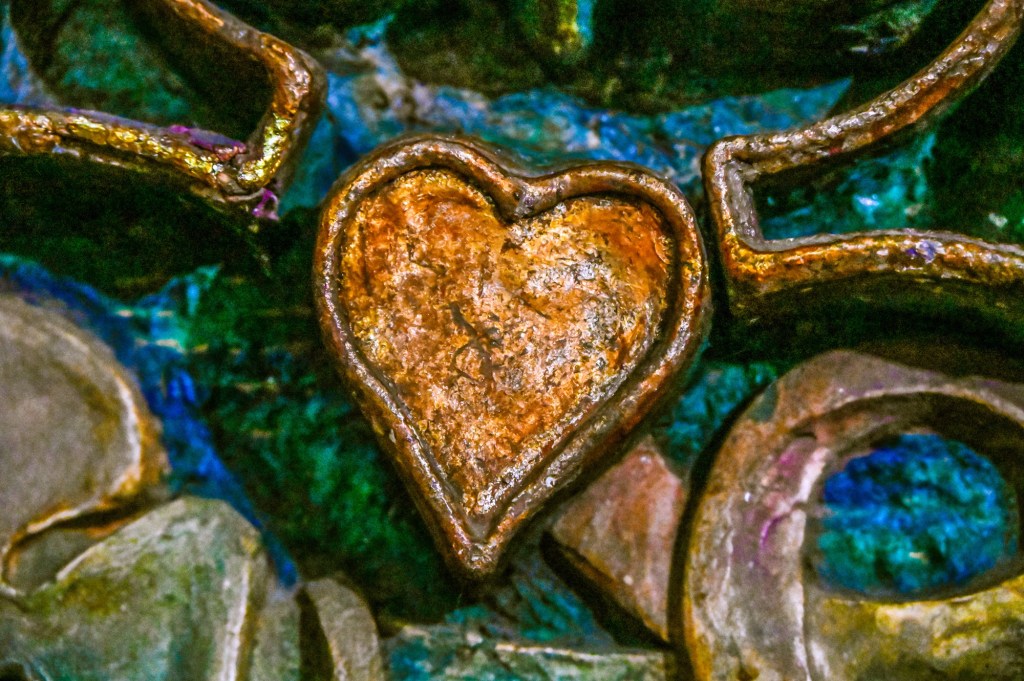

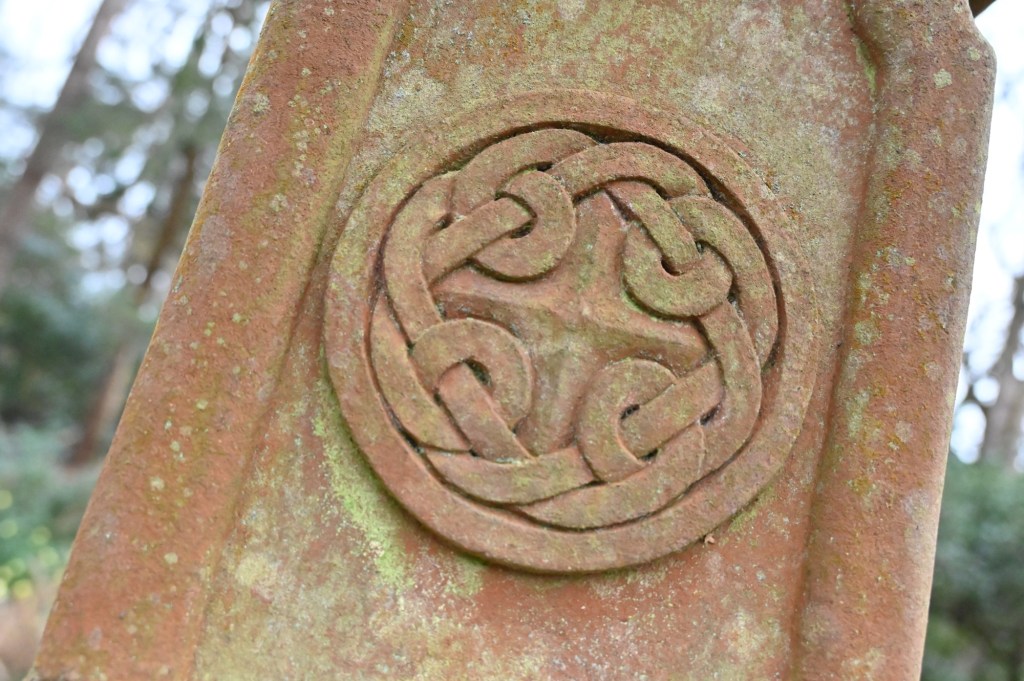
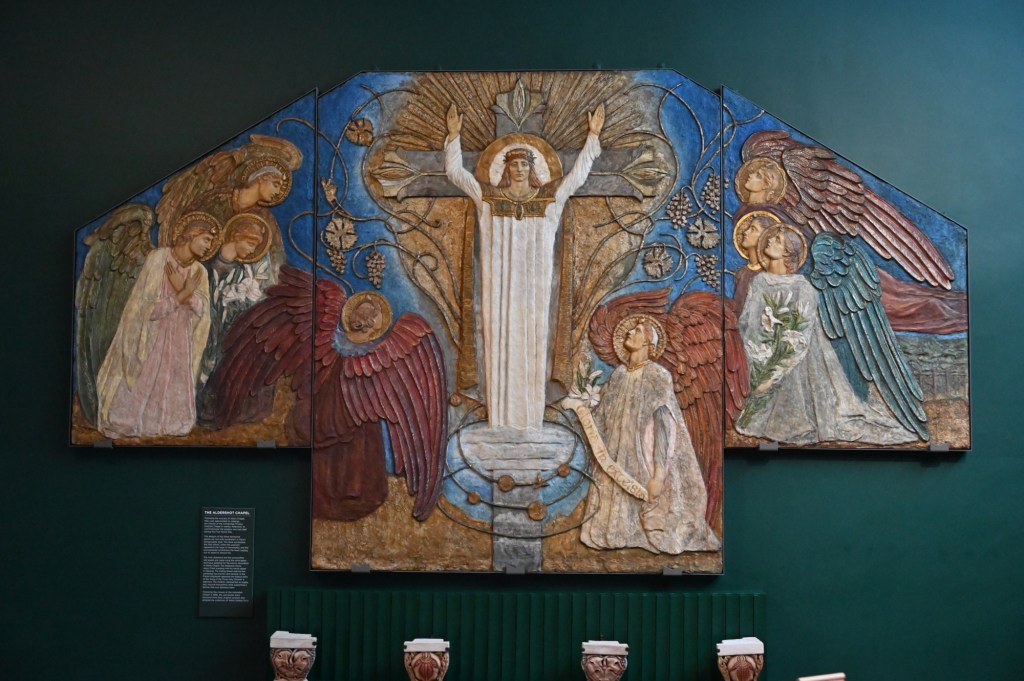
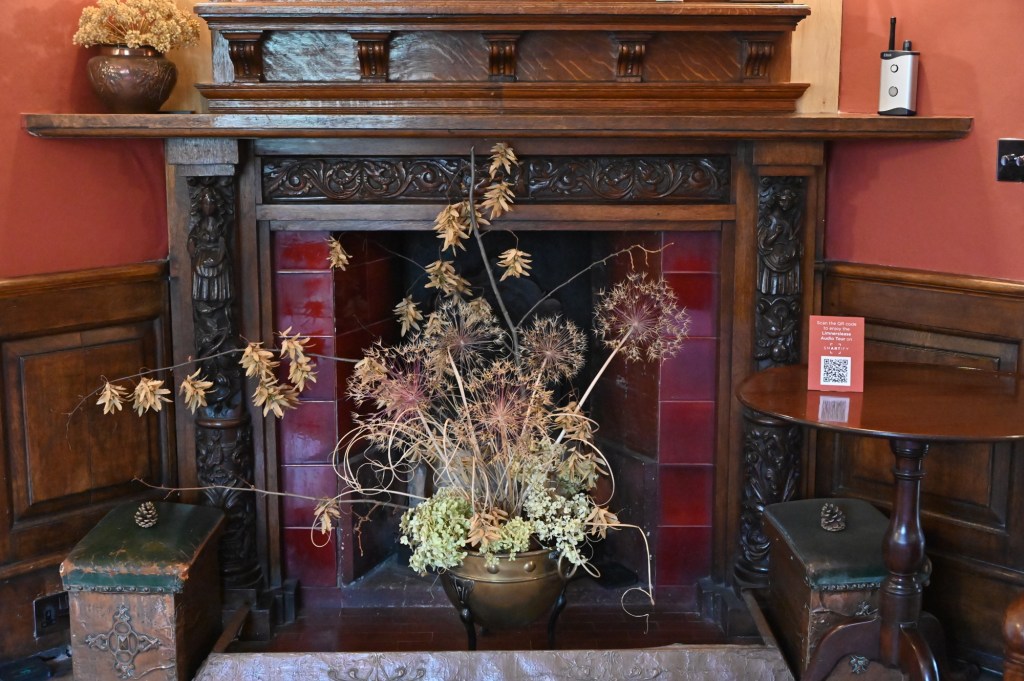

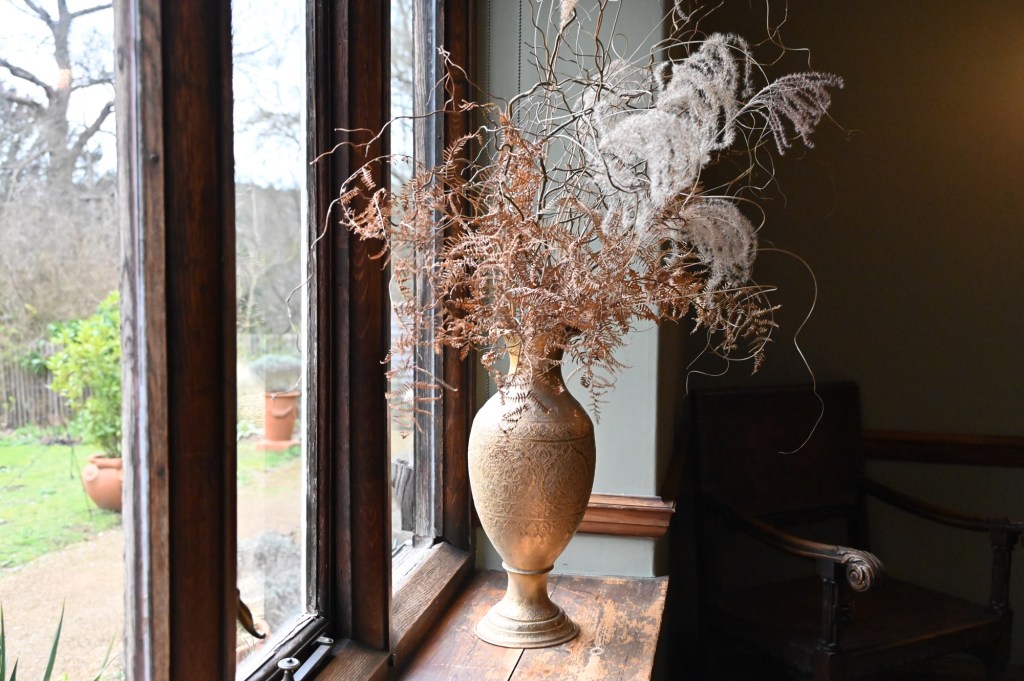

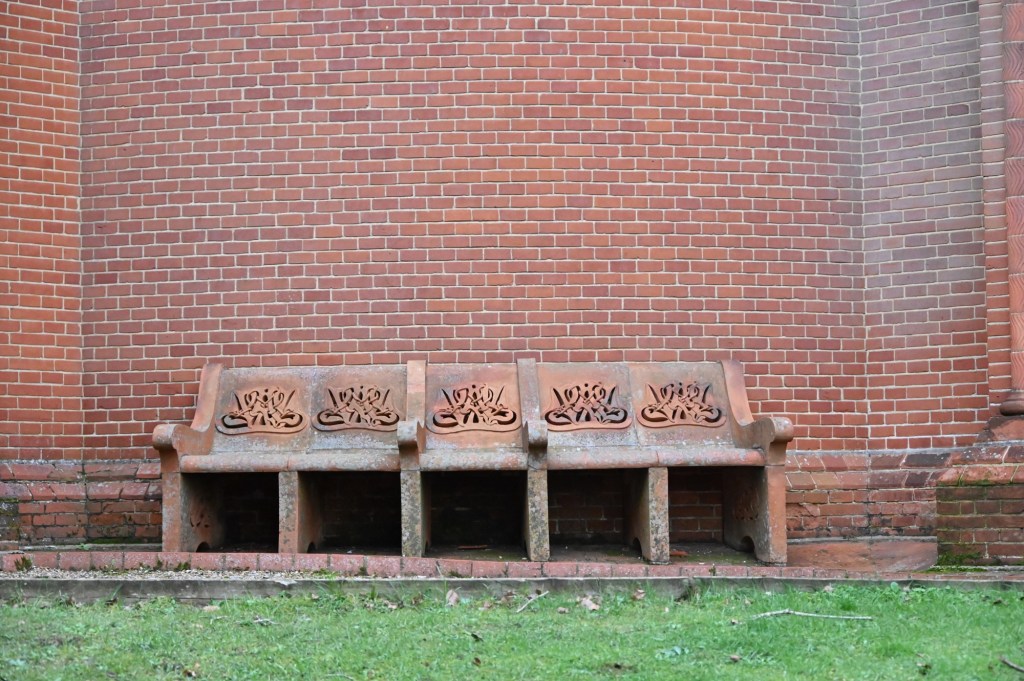
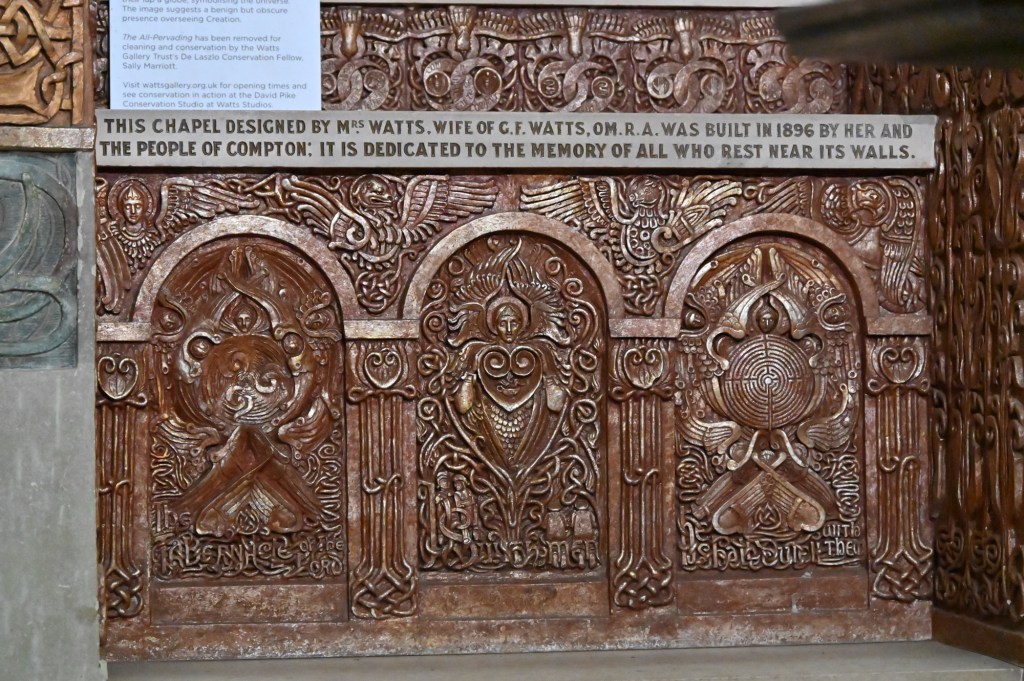
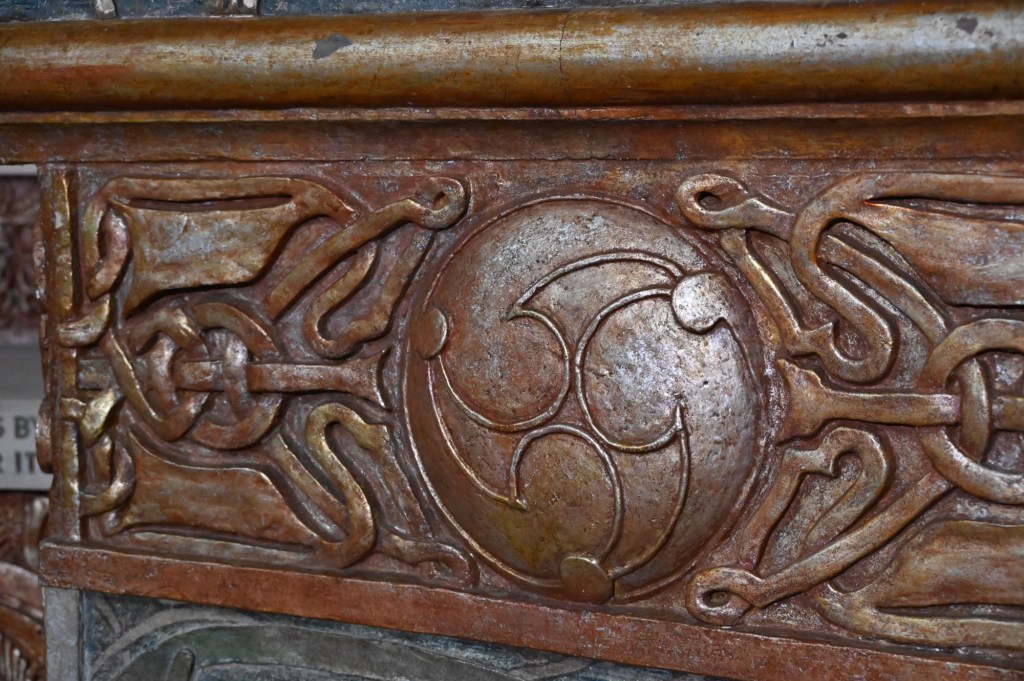
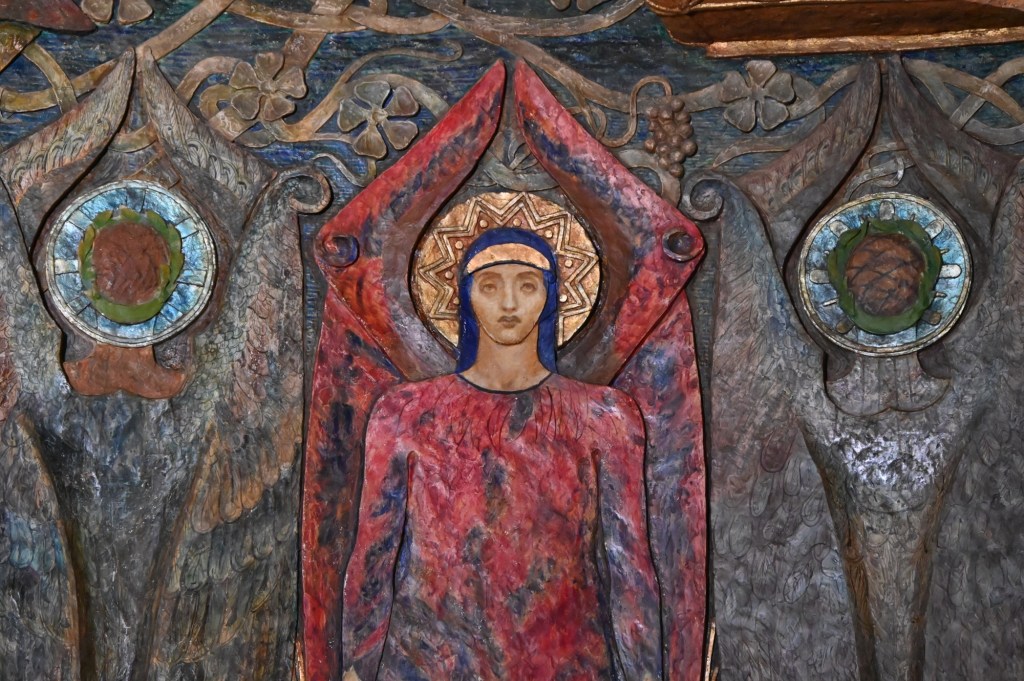

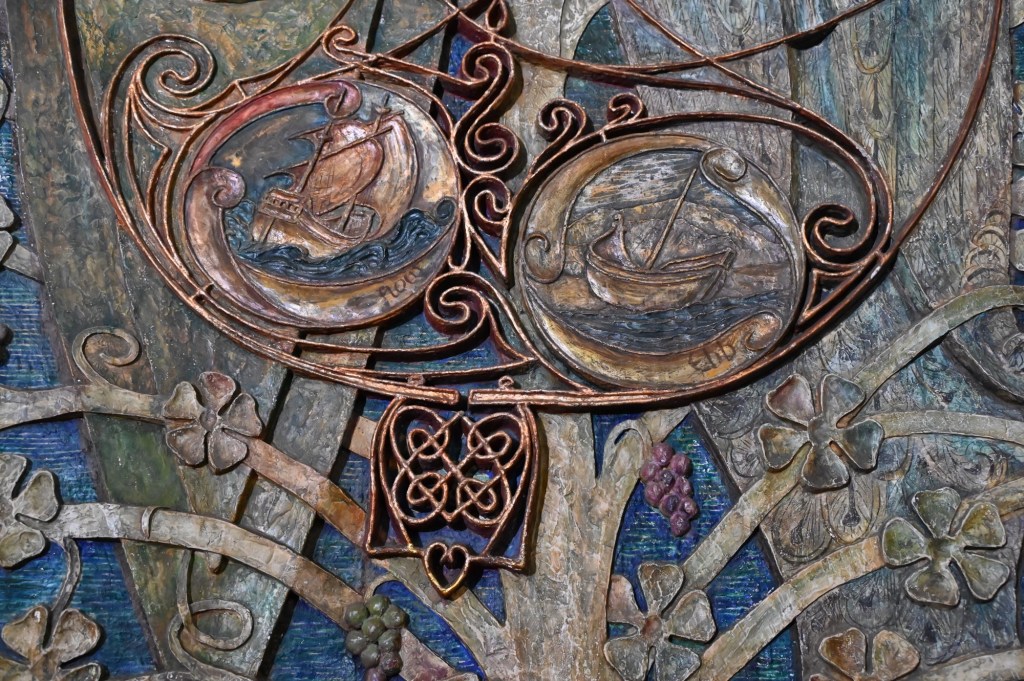

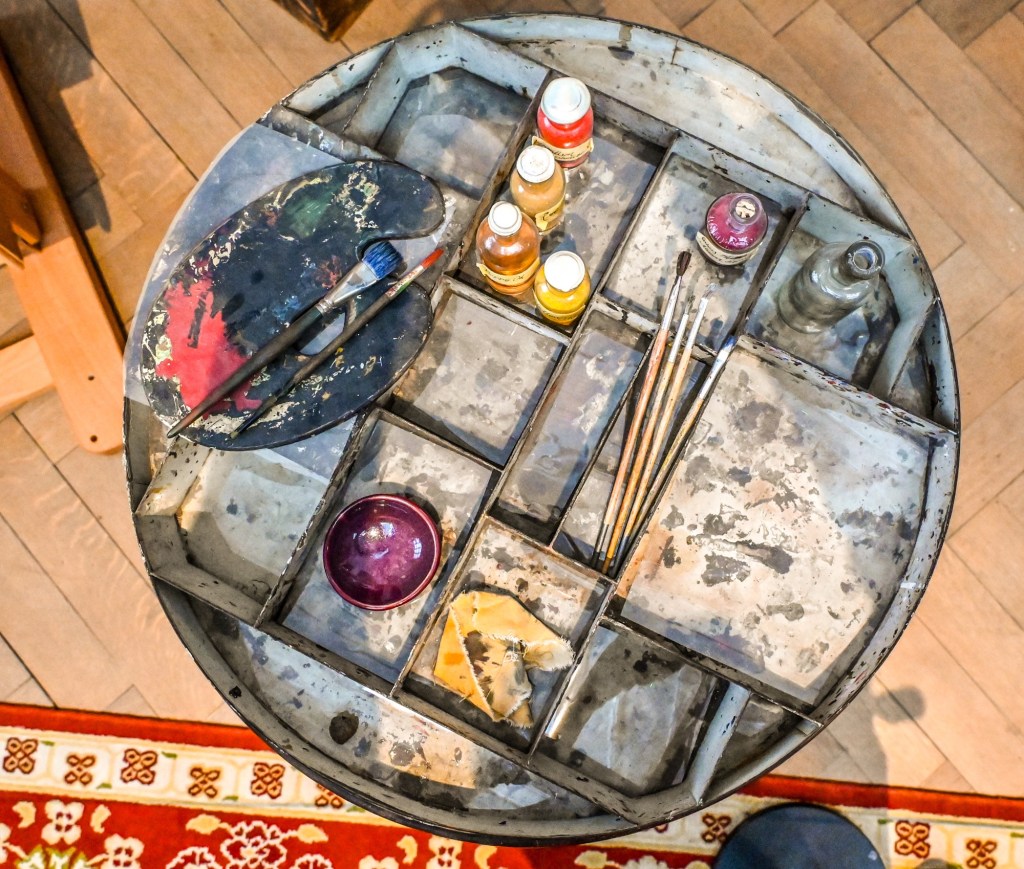
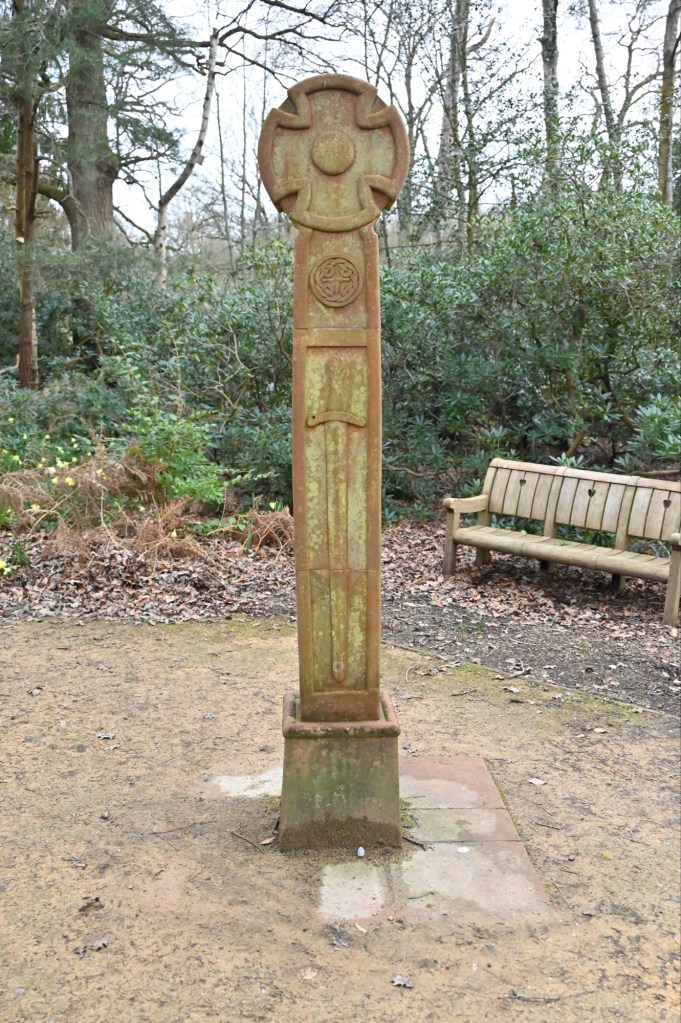
I was reminded of William Blake when looking at Watts’s work. I received a raised eyebrow when I suggested this when talking to one of the volunteers at Limmerslea (which has been magnificently opened up and restored over the last eight years). Blake and Watts were at the opposite ends of the Victorian era and arguably very different (possibly even in opposition) in style. Yet to me they both seemed to strive for something spiritual and vivid in an era when conformity could be crushing. The major difference was that Watts was commercially successful which gave him a chance to free himself, whereas Blake raged and died impecunious. A bit of googling showed that my amateur analysis is not without precedent and is shared by Sarah Weston, an art historian at Washington University in St Louis. In fact she gave a lecture to this end just last month which I wish I had known about as it looks fascinating.
Of note in the churchyard is the grave of the writer Aldous Huxley – I had no idea he was buried here.
A visit to Watts Gallery is highly recommended. More details here.
 Eyecatching