I needed a fix of my favourite city today and I had two objectives at the London Archives, which are described below: some rare tram posters and an exhibition on London during WW2.
Now that I have my free pensioners bus pass I have become stingy and avoid the underground (which I have to pay for). Today I literally caught the 243 from Waterloo to Wood Green as the driver was closing the door, in fact he nearly shut it on my foot. But I got a big grin and a thank you when I showed my pass, which was a relief; there are some London bus drivers who are direct descendants of Ghengis Kahn. Although I bet he couldn’t have swept all before him if faced with typical London traffic conditions.
Travelling on top of a London double-decker bus you realise just how awful some of the driving is, and you do literally flinch when you see some of the close scrapes that cyclists in particular get into. I’m amazed that there aren’t piles of mangled lime bikes by the side of the road and special casualty stations for the riders. But London seems to make most things work, against the odds. In many ways that is the story of cities.
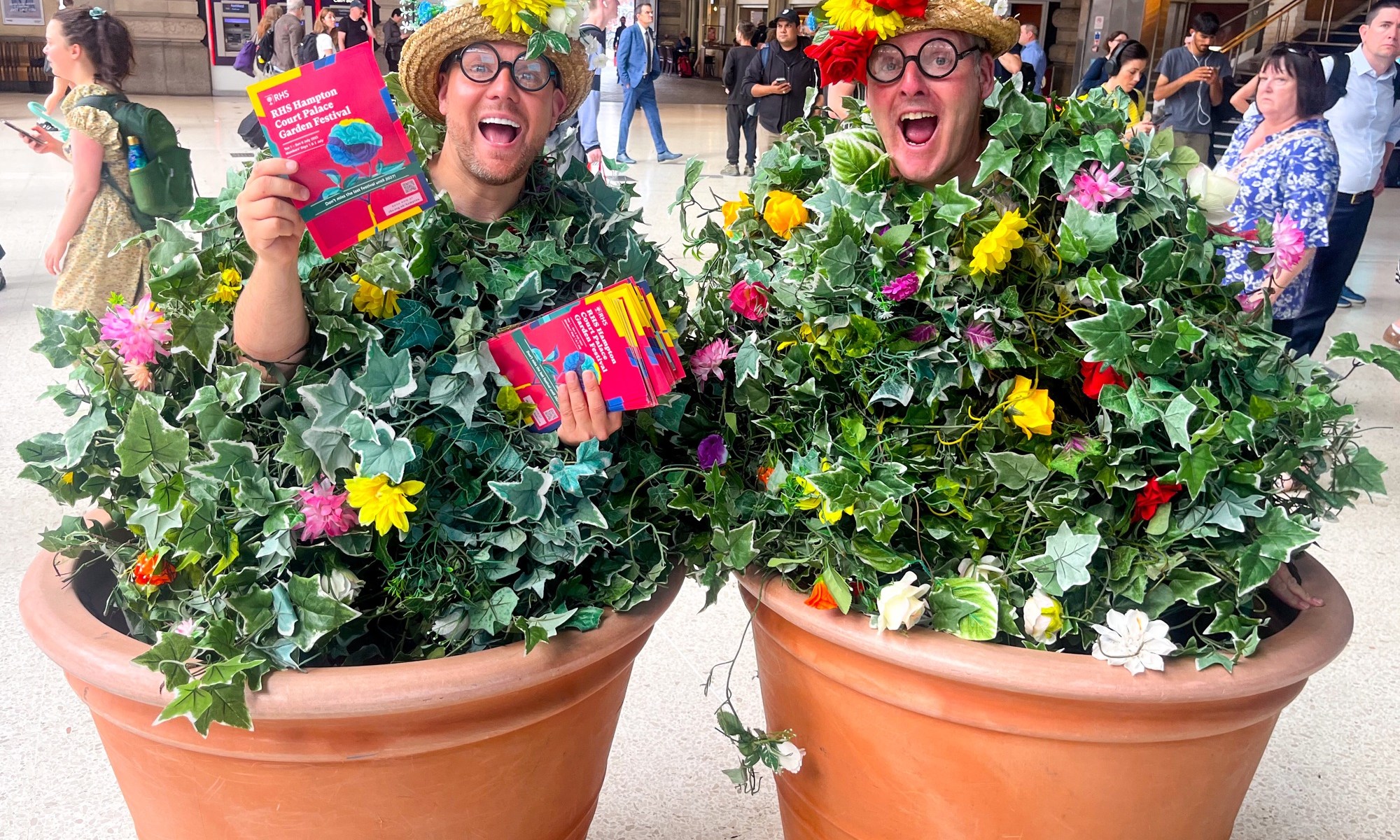
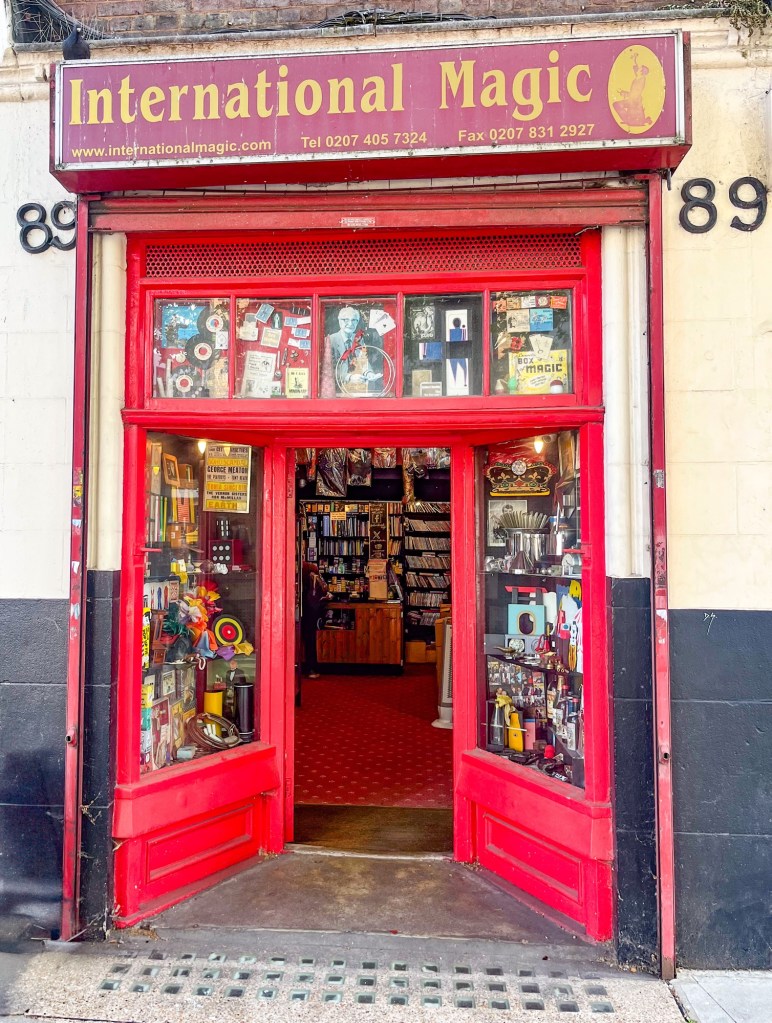
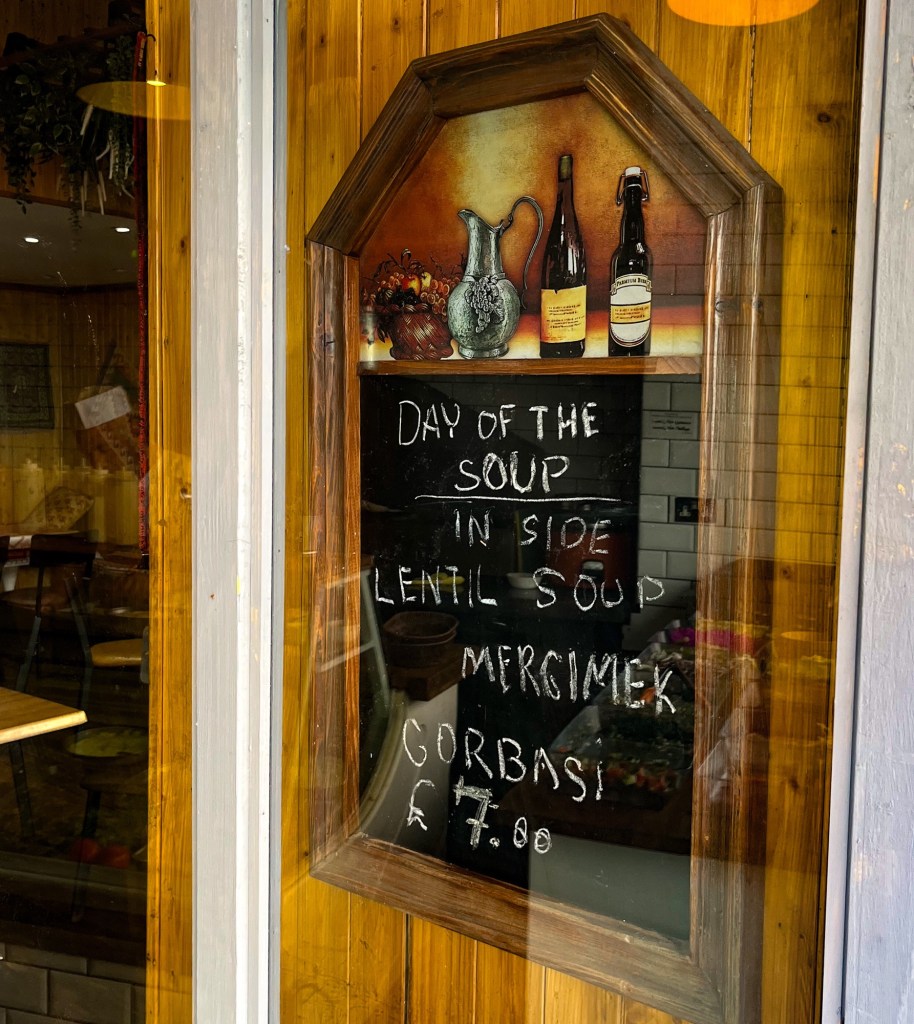
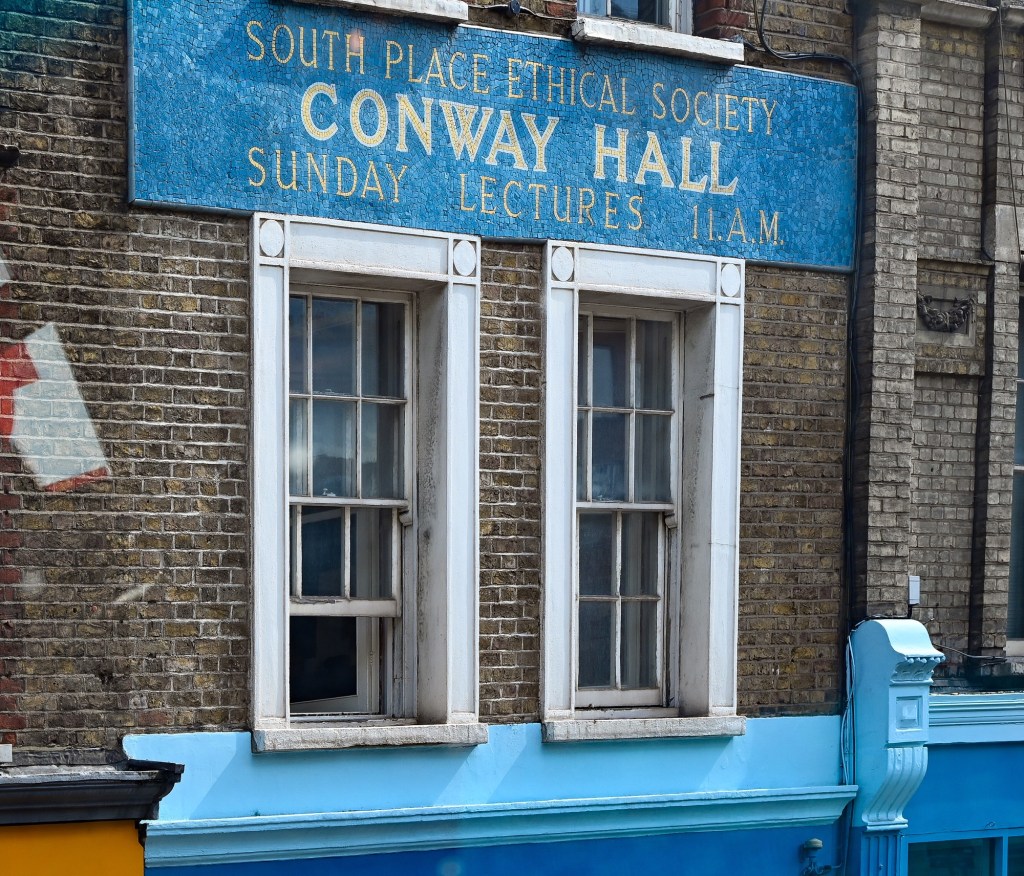
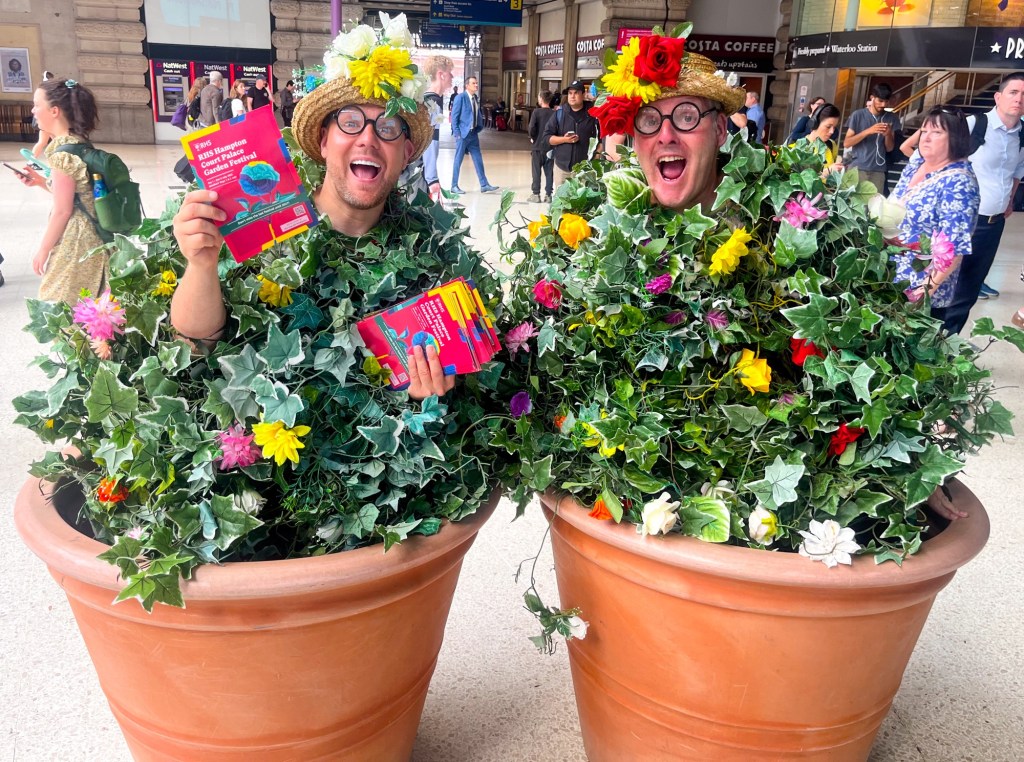
My collection of odd shots today is below. I particularly like the Turkish cafe advertising ”Day of the Soup” as if it was the day when oppressed broth rises up to defeat humanity. But the magic shop also caught my eye – I didn’t dare go in as the staff looked like they wouldn’t let you out again – and you had to like the flowerpot men at Waterloo. What a way to make a living.
Miscellanea


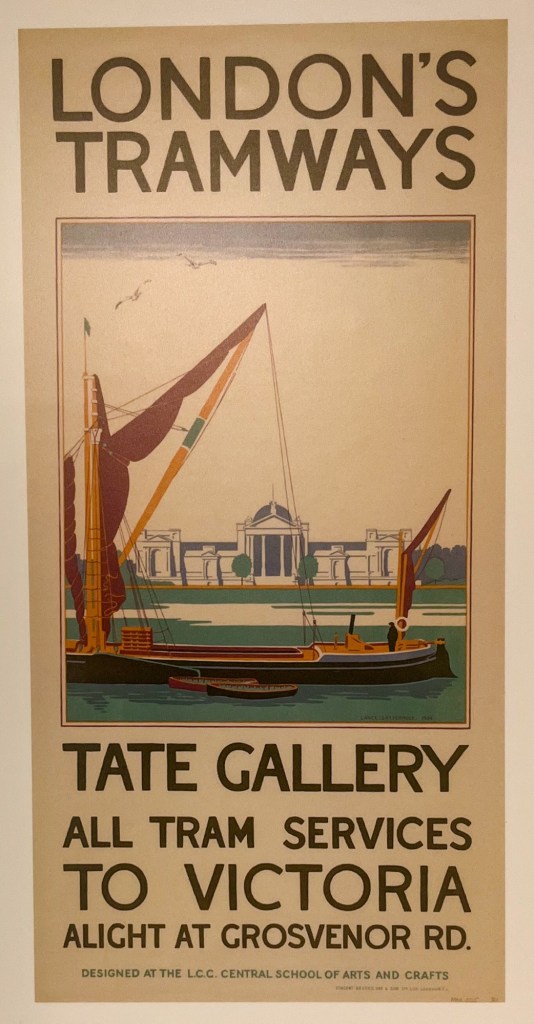
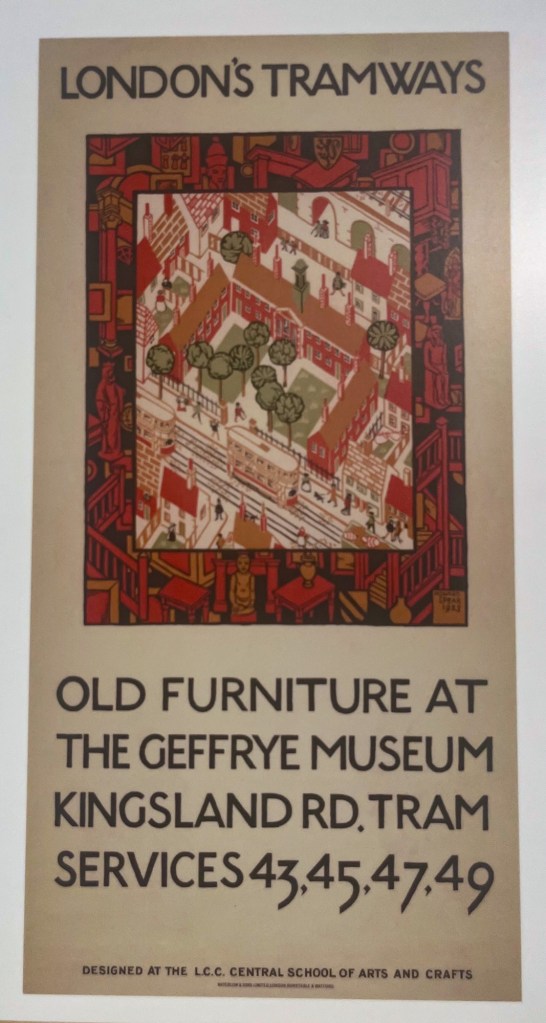
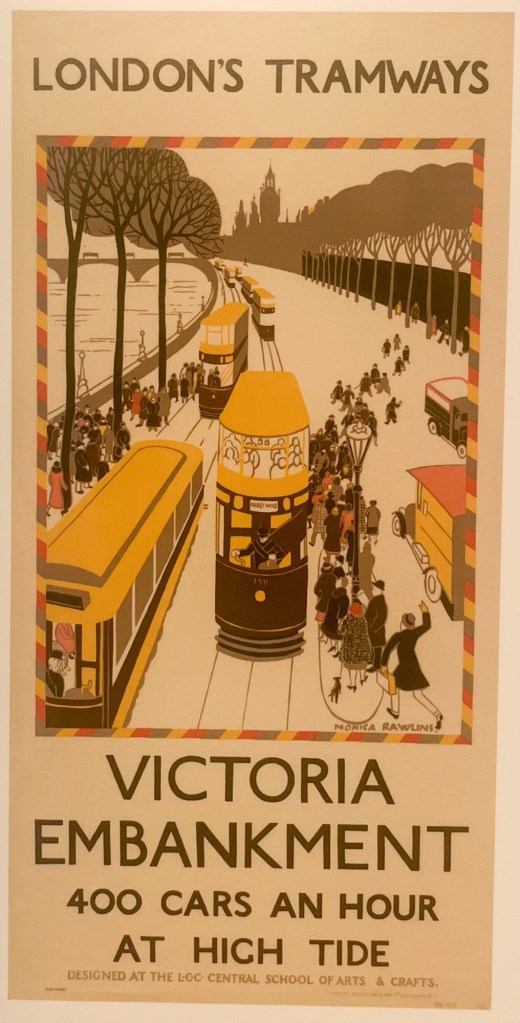
The collection of tram posters at the London Archives was fascinating. I do love old London posters. My favourite was the one about “400 trams an hour at High Tide” along the Embankment. What could the tide have to do with the running of the trams? But apparently trams operating on the Embankment were a significant part of London’s public transport network in the early 20th century, with some routes specifically designed to handle high tide conditions.



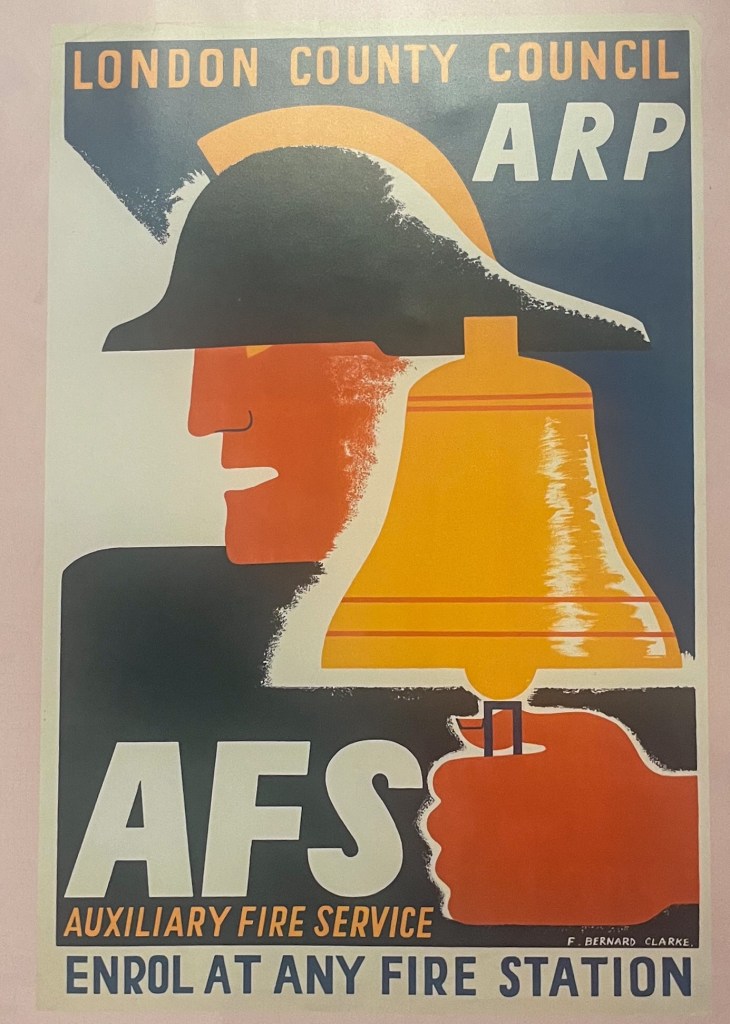
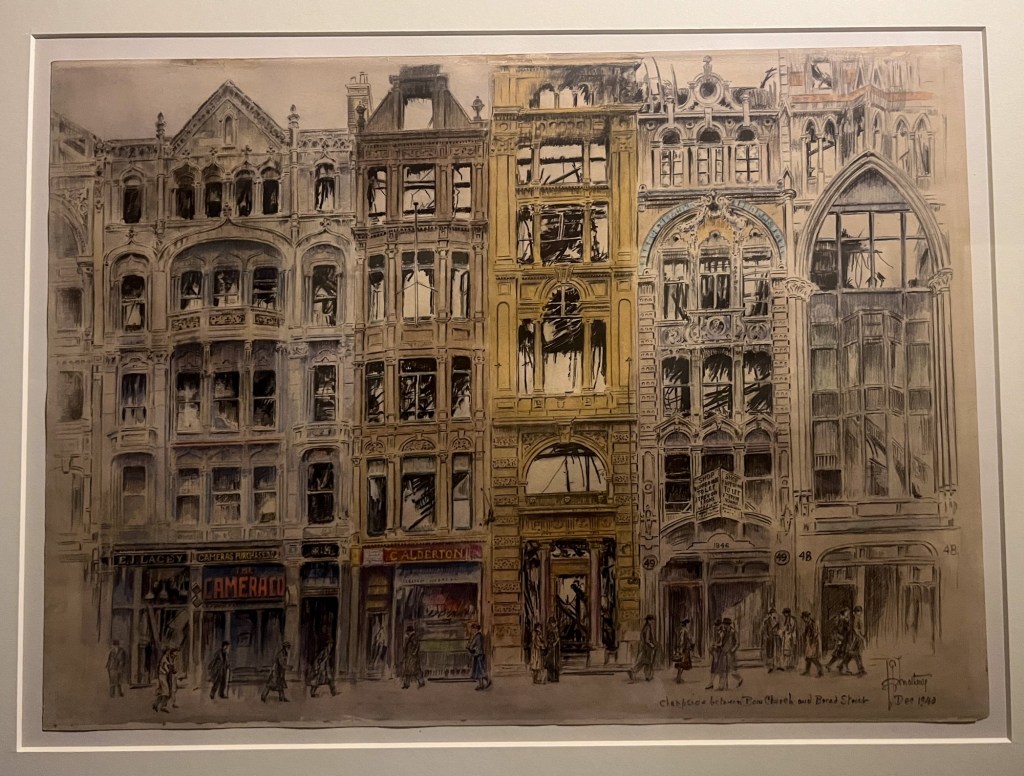
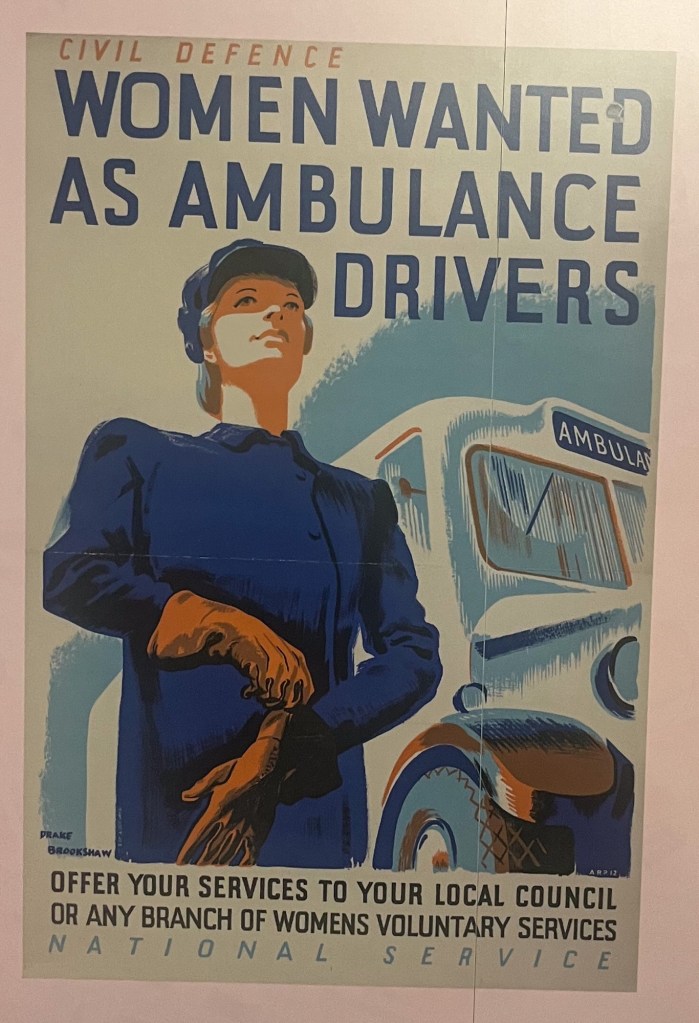
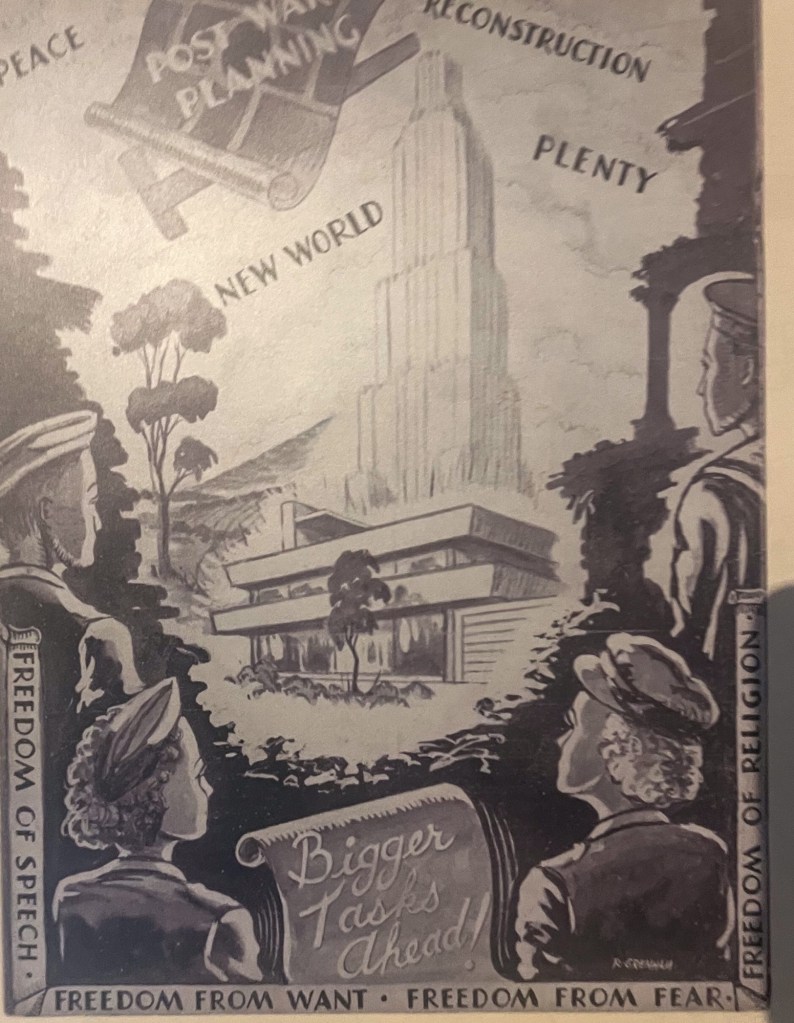
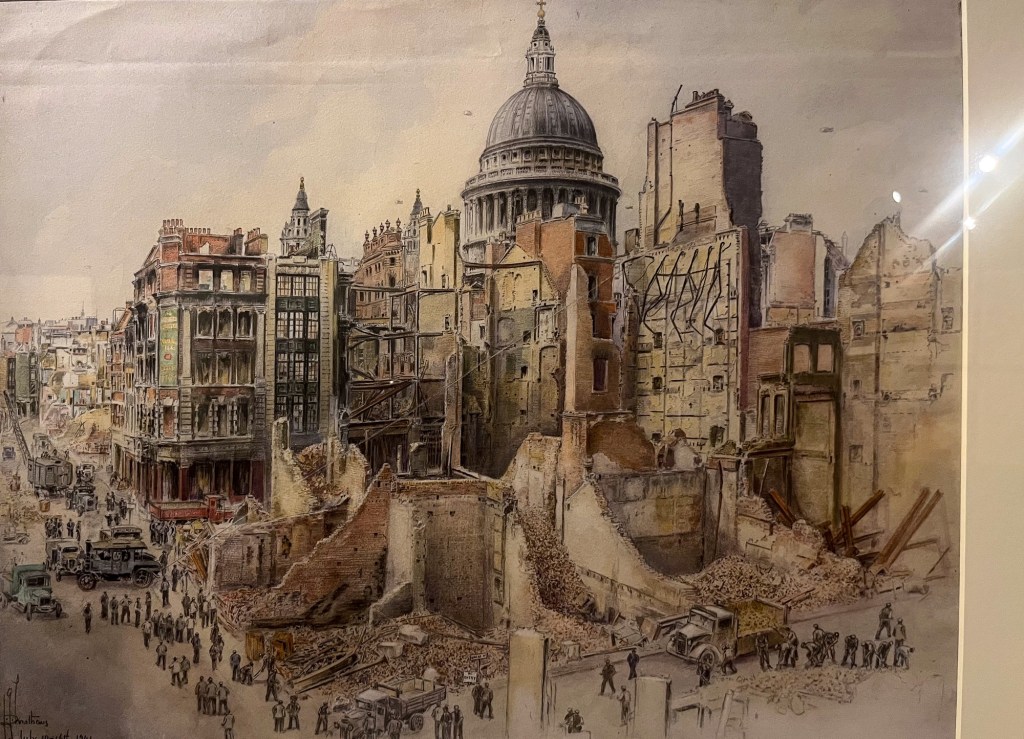
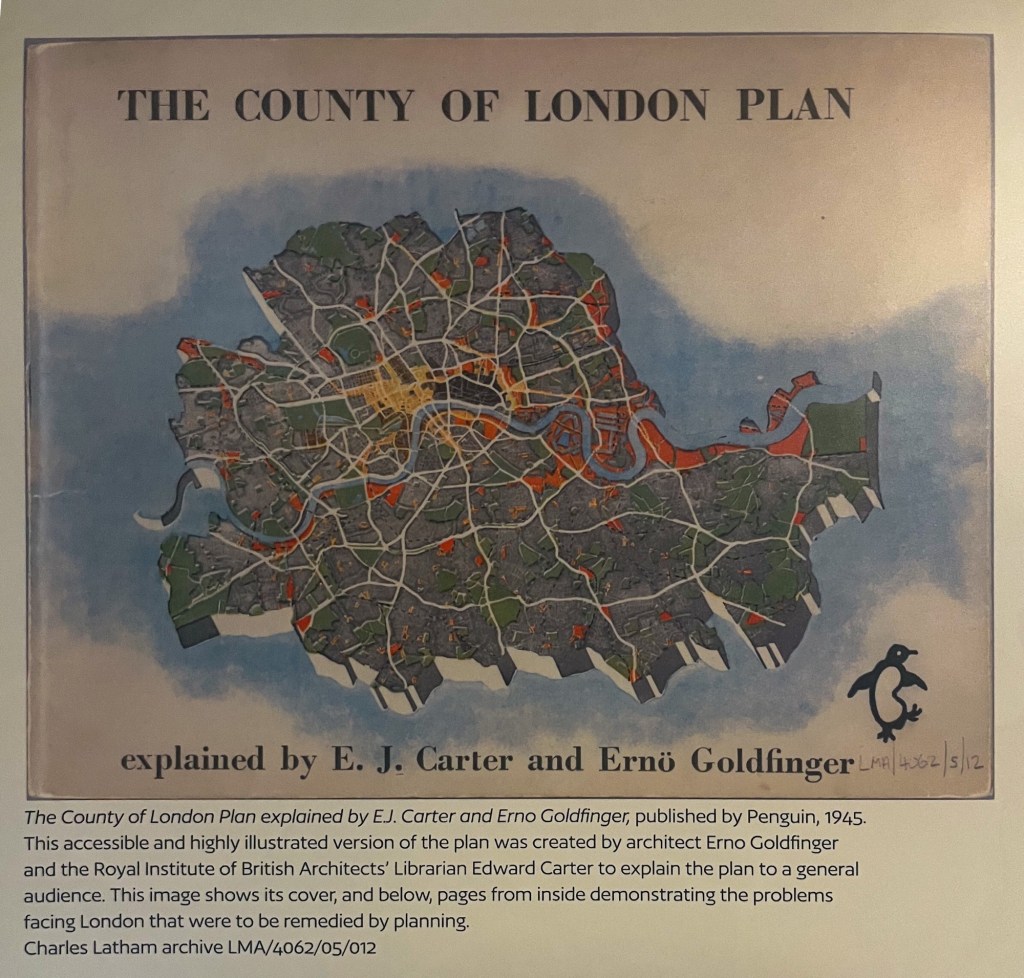
The London in WW2 exhibition at the London Archives was small but fascinating. Of particular interest were the photographs by two London policemen who were enthusiastic amateur photographers, and the paintings by London based artists. Also of interest was the planning for post war London – the enormously optimistic post reproduced here really does show you that people had hopes for a brave new world.

I did visit two pubs as part of my stroll around Clerkenwell but neither merit a mention. One was shabby and the other, although recently refurbished, quite sterile and characterless. I shall return for a proper look on another day.
 Eyecatching