Intro
This is Episode 60 of the weekly Eyecatching words podcast, published on the 31st January 2024.
Music
Hello and welcome to the Eyecatching words podcast. This is your weekly aural (spelt with an “au”) magazine with news, features and music from deep in the heart of the UK, as seen by a white privileged 65 year old Brit who tries not to be typical of his demographic.
I’m trying out new formats so this week the focus is hopefully a bit chattier and less formal. Let’s begin with what’s caught the eye this week.
Sand Smuggling:
The journal Scientific American this month told the sad story of global gangs smuggling sand. An international environmental investigator recounted how he had seen huge lorries taking away vast quantities of sand from dunes north of Morocco. What sits behind this is the world’s voracious appetite for concrete, in particular, the Chinese construction industry which used more sand for concrete at the height of its building boom between 2010 and 2013 than the American economy did in the entire 20th century. This is of course unsustainable and it is estimated that the world will run out of sand for building in the second half of this century. But mining of sand, legal and illegal is not just using up a precious global resource. It is also actively damaging the environment because so much of it is taken from coastal areas and riverbeds. This has an immediate impact on the surrounding environment as sand is an important habitat for various grasses and also acts as a defence barrier against flooding. And of course it is a vicious circle. As a result of the illegal mining, organised crime becomes stronger and then moves into other areas where it has an environmental impact for instance such as illegal fishing
2020, which is the last full year for which figures are available showed that counterfeiting was the highest global illegal activity in the world with a value of around 900 billion dollars. Drug-trafficking came in second with a global value of around 600 billion and illegal sand extraction was around 350 billion. Local populations take part in the trafficking of sand because it puts food on the table and brings immediate benefits for them, but the longer term impacts in terms of the destruction to the environment are enormous.
Trafficking in sand is, of course, synonymous with corruption. It is impossible to move such huge quantities of sand without going through checkpoints and being overseen various points in the process. But the fact that people do it and are confident that they can deliver large loads on it’s just goes to show that there is widespread corruption and that palms are being greased.
Artificial Intelligence
Back in December, the New Yorker published an article entitled “the year the AI ate the Internet”. Beyond this intriguing headline was a fairly straightforward analysis of how AI has developed in recent years what it is doing and what it’s shortcomings are. The article points out that it is just over a year ago since AI became big news even though it’s been operating for quite some time in the background, Now the big companies out there were attempting to compete with open AI being challenged by googles own chat bot Bard and Meta’s own version called llama.
The article reminds us of course that AI is nothing without the huge body of human knowledge from which it can develop. If you dropped a naked AI onto the planet, with no people and no records, it would not be able to do anything. It would have nothing to mimic, nothing to rehash. But the fact is AI is with us here now, and not only has enough material to work with. It probably has a glut of material. So much, so, in fact that there is now evidence that AI has been known to hallucinate and insist on things as facts that are demonstrably untrue.
One of the key tenets of AI is that it will be able to interpret audience responses in the area of for instance films. It has even been suggested that AI could help rewrite scripts on the basis of feedback from sample audiences. This may seem like an attractive proposition until we realise that all we are doing is reducing everything to the lowest common denominator. Do we really want to live in an age when our culture is determined by focus groups rather the ability of individuals to cast their minds out and think of things that no one has thought of before or to reinterpret things in new ways for new circumstances. Similarly, says the article, AI generated art is “vampiric, feasting on past generations of artwork, and arguably amounts to the greatest art heist in history “.
In response governments are beginning to identify forms of governance and regulation, which help to give assurance that content is accurate, and that copyright is not being infringed, but it is not quite that simple because of the lack of transparency about what goes on inside the AI world itself. The article author, Sue Halpern, notes as follows.
With the help of these new tools, I was able to use ChatGPT to create a chatbot that determines which medications are not safe to take together, and another that lists all the restaurants in a particular location that can accommodate specific food allergies and prohibitions. Making these chatbots was intuitive and simple, yet I remained ignorant of the algorithms driving them, the provenance of their training data—was I somehow in breach of copyright?—and whether the information produced by the chatbots was accurate. I also had no clue how much computing power I was using, or what my environmental impact might be. But, hey, they were cool, and the kind of thing people might pay for.
The media of course is now full of films and stories about the potentially apocalyptic impact of AI. Most of these fall into the traditional trope of man versus robots or rather man versus self-aware robots. I can’t help thinking to what extent the scripts for these films were actually written by or with the help of AI, which produces an interesting paradox, namely that even our resistance to AI is being generated with the help of AI, But I do have hope for the future for a number of reasons. Firstly, as long as we can protect the integrity of the sources, we do have a huge historical body of work which we know was generated before AI came on the scene. AI may be able to write in the style of Shakespeare, but it is not Shakespeare and it cannot time travel back to the 17th century. Similarly, I have huge faith that AI will actually lead to a Renaissance of the live arts. People will want to go and see more live music, local music, produced and performed by people for whom the great consideration is not the quality of their output, but the authenticity. And we shall see people hopefully flocking back to theatres so that they can enjoy a CGI free version of reality, with some hard-hitting scripts that have not been produced by AI supported focus groups but by solitary human beings with a sense of vision, purpose and injustice. Not so much a case of “I, Robot” as “I, Human.”
Get ready for war
Talking of doing things the old-fashioned way, The Guardian reported on general Sir Patrick Sanders, who gave a speech recently in which he said that the UK should put itself on a war footing and be prepared to fight the Russians. Speaking at a military conference, Sanders described the British people as part of a pre-war generation who may have to prepare themselves to fight in a war against an increasingly aggressive Russia. The Guardian noted that Sweden has just introduced a form of national service as it responds to the rational threat on the Nordic borders and prepares for its own membership of NATO. He is also quoted as saying that the UK will not be immune from what is going on in the rest of Europe in the world “as the pre-war generation, we must similarly prepare – and that is a whole of nation undertaking. Ukraine brutally illustrates that regular armies start wars, citizen armies win them”.
Before we even get into battle, one of the key battlegrounds on the domestic front will be funding for the armed forces, which has been cut substantially and will continue to be cut. It is if we are replaying the 1930s all over again, with some people arguing that we should re-arm and prepare for war and others, preferring to spend money on domestic priorities, but of course the 21st century does not find itself able to draw easily on the metaphors of the past. Prior to the end of World War II, we did not have the ability to completely destroy the planet in nuclear Armageddon. Similarly, we were not living on a planet that was as grossly overpopulated as it is now and causing so much environmental damage in its day-to-day activities, never mind before it goes to war. One aspect however is similar. The British fighting individual was not fit for war service at the beginning of either the first or the second world war due to malnutrition and physical health issues, and we will find that there will be similar issues in any future conflict. The problem this time, however, may be that modern generations lack the psychological resilience needed for combat. Generation Z may not have the strong mental health needed to take up arms. Which may not be a bad thing.
It’s not 1997
The evening standard ran a very lengthy and very good piece this week about what might happen if labour gets into power this year and why it is definitely not 1997 all over again, although there are some elements of plus ca change. Firstly the tories back then were led by John Major who was a sensible politician who saw it as his job to stabilise the economy and lead the country effectively. If you’ve ever seen The Crown he was compassionately portrayed there as someone who, whilst not charismatic, was at least largely authentic. Secondly the first Blair government would inherit an economy which was ripe and ready for the future whereas Starmer will be given the keys to a dilapidated and unsafe house with no money to repair the drains and fix the rot. This is an almost literally true description of Britain in 2024, which has ben left shambolic by the Tories and the Brexiteers with their fantasies of sovereignty and their stoking of fake culture wars.
One area where things haven’t changed in twenty seven years is the sleaze amongst Tory politicians, which has in fact got worse. But the tories do have a problem with the calibre of their cabinet. Listen to this from the Evening Standard article written by George Chesterton.
Sunak is also going to the polls with a party that is discredited on intellectual and ethical grounds. Major faced years of “sleaze” scandals involving MPs who were shown to be either petty crooks or adulterous liars. The perception of the Conservatives in 2024 is even worse, especially in the light of the Covid procurement scandals. The hand-held plough of Nineties Tory sleaze has evolved into a combine harvester of corruption and cronyism. And whereas Major had a few reliable grandees to call on like Clarke and Malcolm Rifkind, Sunak has had to pick his Cabinet from the political equivalent of mechanically reclaimed meat.
I have to say the description of the current cabinet as reclaimed meat is one of the funniest and most apt things I have read in an age. But it did make me think about what kind of country we have become. Generation Z was just coming on the scene at the time and has grown up witnessing 9/11, The crash of 2008, the appalling impact of austerity, the pernicious takeover of ordinary life by social media, Brexit, climate change, Pandemic, the rise of AI, and the war in the Ukraine (incidentally, every time I write that list it horrifies me anew; I cannot believe what today’s younger generations have had to endure). So a fundamental difference between the people of ’97 and the people of Britain in 2024 is that they are traumatised. Blair was taking over a Cool Britannia, whereas Starmer will be walking into Cruel Britannia. Blair could be a cheerleader whereas Starmer will have to be a therapist, a figure of compassion, a practical problem solver, a combat veteran willing to fight the idiots that gave us Brexit, and a generally strong hand at the tiller. It’s a mighty big ask.
So those are a few things that caught my eye this week. Now lets talk about me.
Flashback
Increasingly I find that having more time on m y hands means I am more open to reminiscences out of nowhere. This week it was the night Superman got stoned. It was in late1982, and we were having a party on New Year’s Eve. We had billed it as fancy dress and my friend Mr S came along wearing a very basic superman outfit which consisted of wearing red underpants over his grey trousers and a red cape, and a very faded superman T-shirt that he had borrowed for the evening. Unfortunately, before we went to the local pub for pre-party entertainment, someone gave him a pill which he had not taken before. It was nothing particularly exciting, but it produced a paranoid effect in him and after about an hour superman came up to me shaking and asked to be taken outside, so I walked him round and round round the pub and we talked about how he was feeling very very threatened by everyone. After about an hour of this, he calmed down, had a couple of vodka and limes, which was his favourite tipple, and rejoined the celebrations.
Later on, when the party had started, he came staggering up to me with a big grin on his face. I, for some reason had decided to fancy dress as a farmer. I was wearing a farmers hat, dungarees, and wellie boots, and sticking out of my boots was a large leek to symbolise the agrarian nature of my costume. Mr S was by now completely stoned and came up to me saying how hungry he was and asked if I had any food. All I had was the leek which he pulled out of my Wellington boot and started chewing on.
It was a very strange party in many ways, one of those where you could wander from room to room and never be sure what you would see. I remember chatting in an open doorway, beer in hand, and glancing to my left. A man was lying on a bed and watching as a woman who was staying with us tried on different clothes to please him. “No I much preferred you in the blue. Put on that first dress for me”. Unbothered by the very public nature of this she stepped out of what she was wearing and duly put on the blue dress. I’m still not sure whether it was a fashion industry interview, an erotic display, an act of submission or a rehearsal for a piece of theatre. But it wasn’t the first time someone ended up in their underwear at one of out parties. On another occasion everyone dressed in bin bags which of course did not last very well. By the end of the evening everyone was hanging out in their pants.
Late on in the evening I saw Superman crashed out on the same bed completely stoned, his cape drawn half across his face. At least the paranoia had subsided. In fact he had a big grin. Even superheroes need their downtime. For my part it was the night I negotiated to go on a first date the next evening with the woman who would later become my first wife. We went to see Tron at the Odeon Leicester Square. Not very romantic now I think back on it but the special effects were good.
Capturing the moment
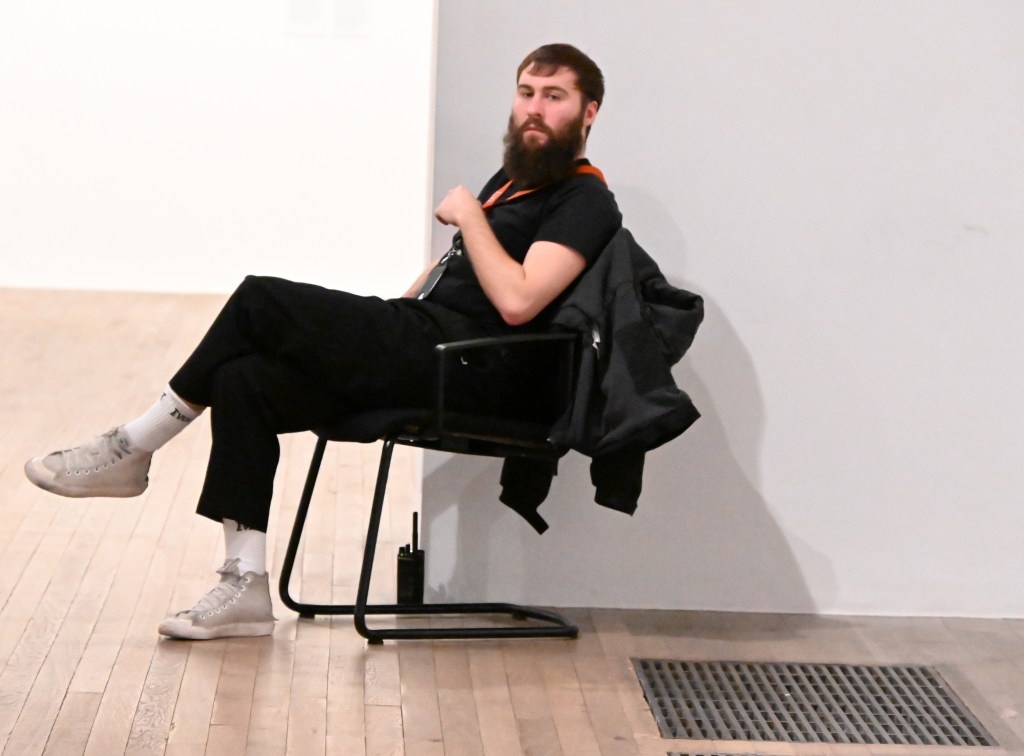
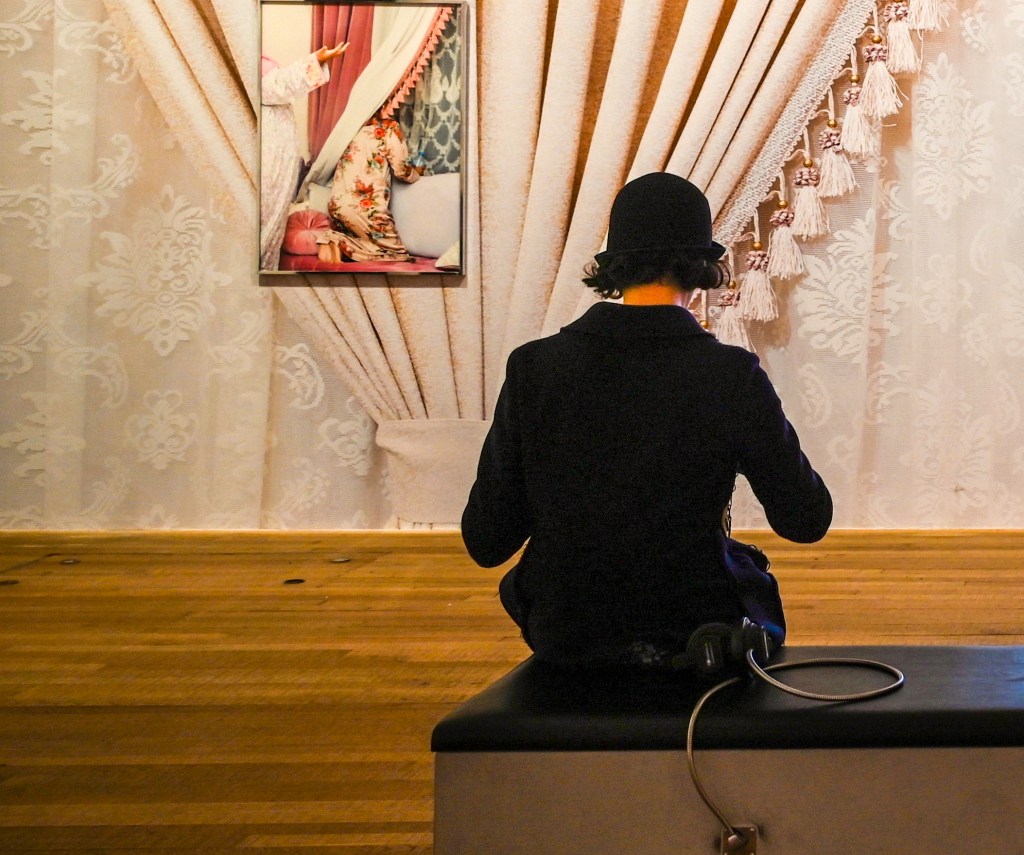
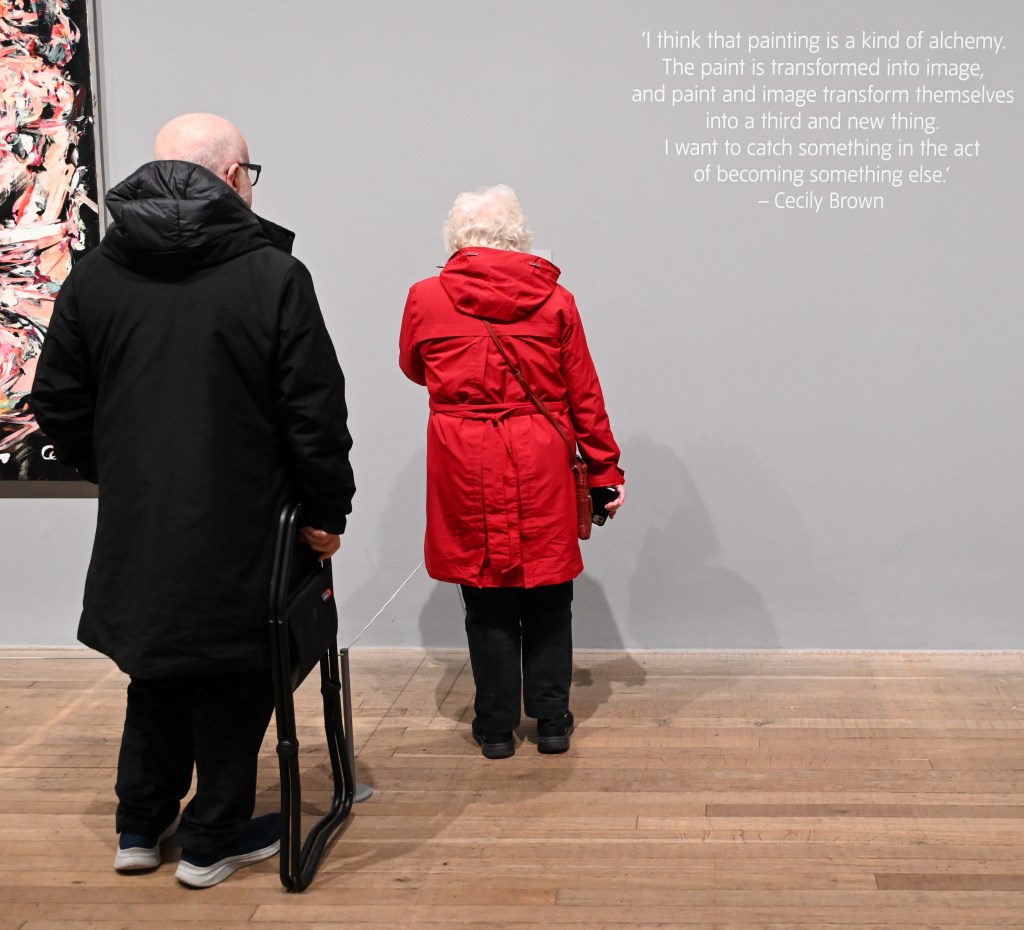
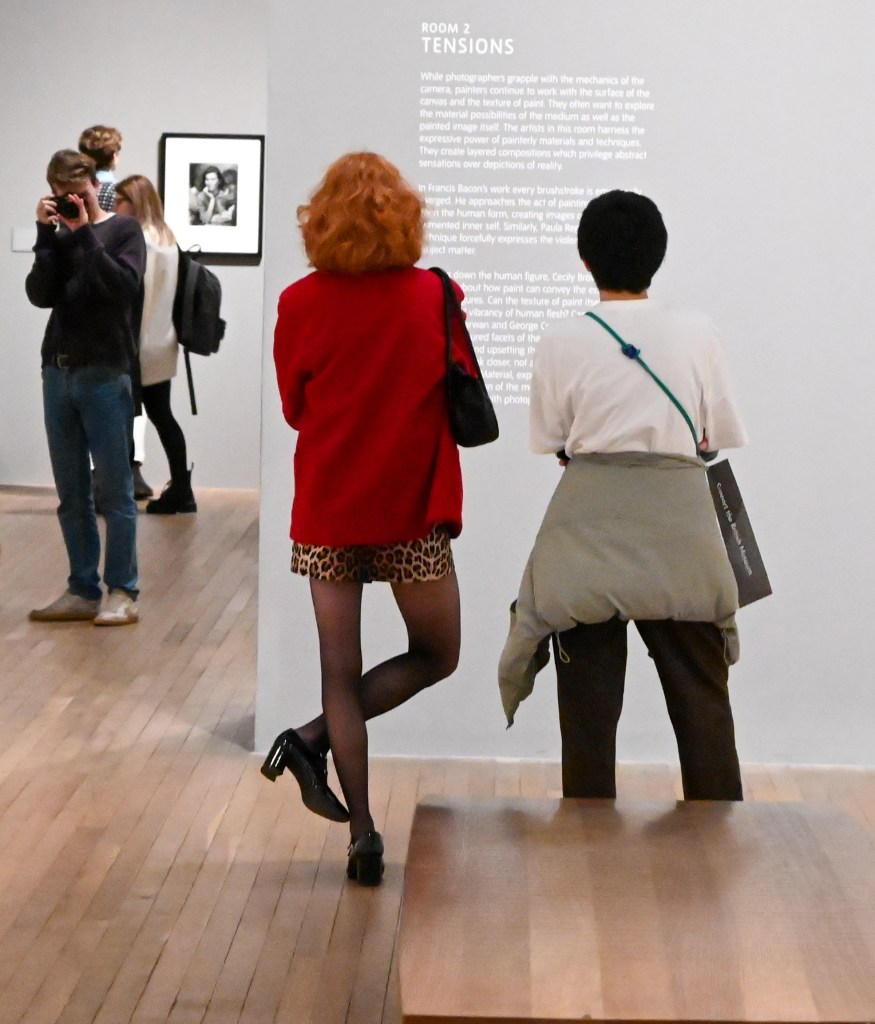
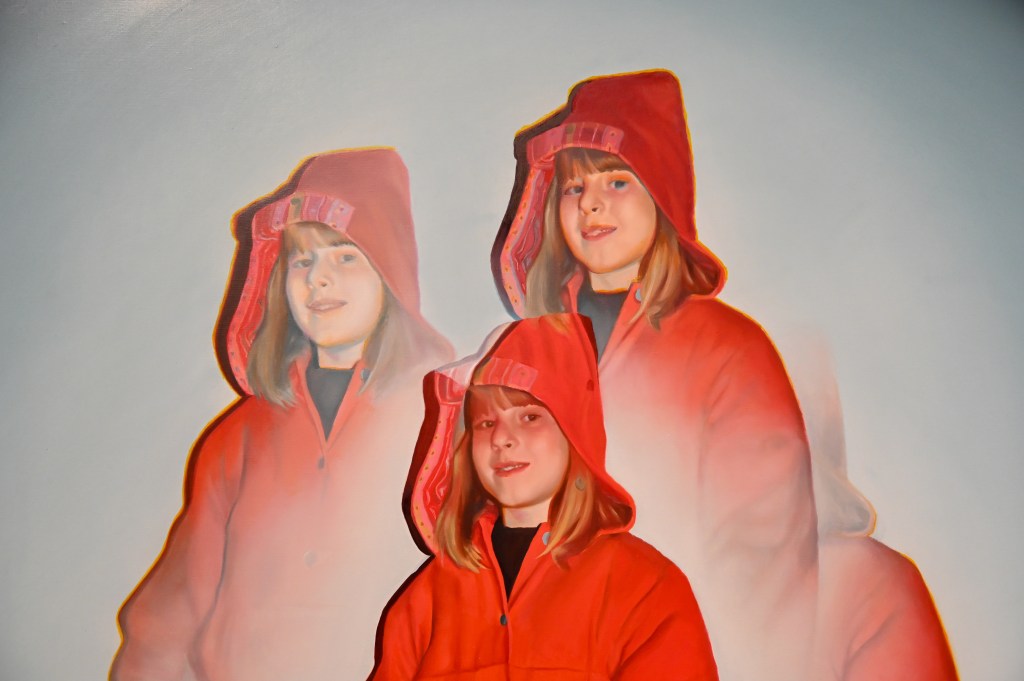
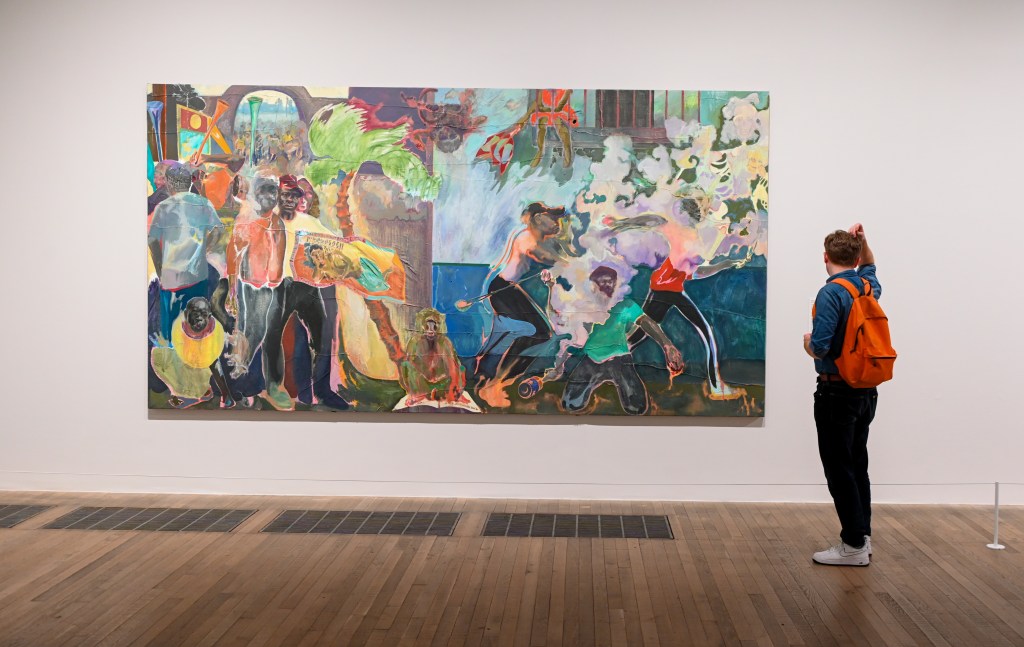
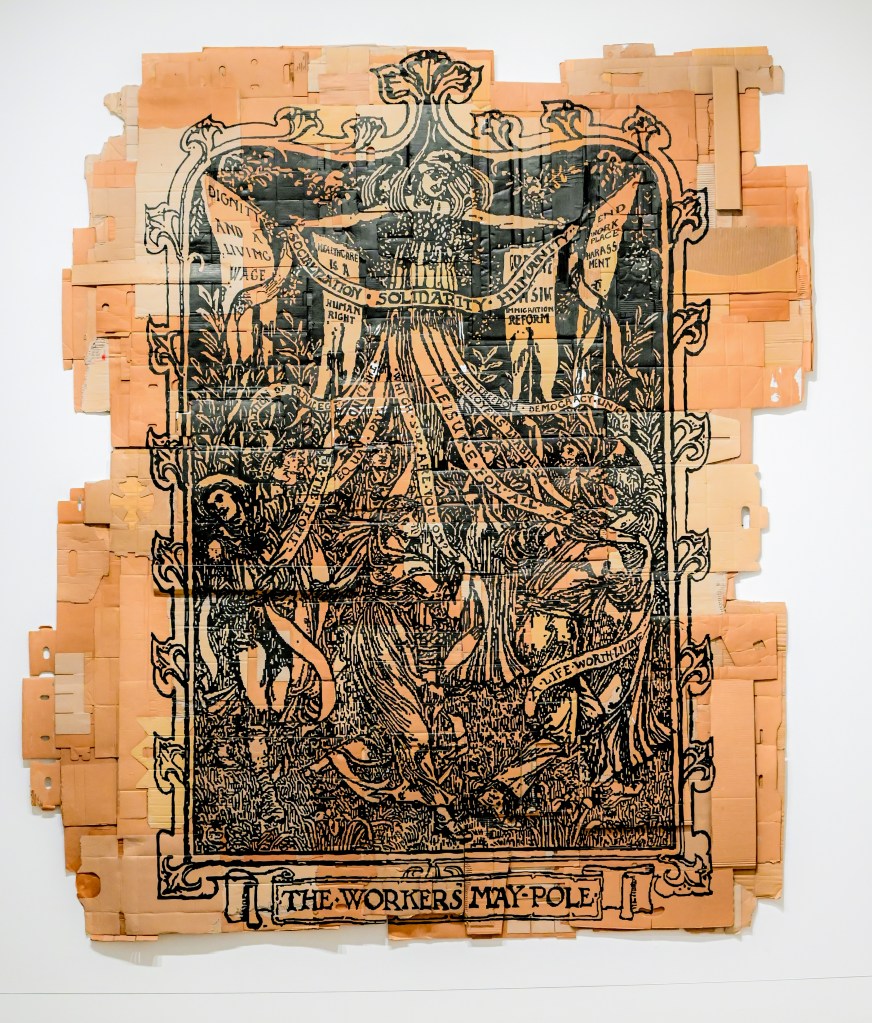
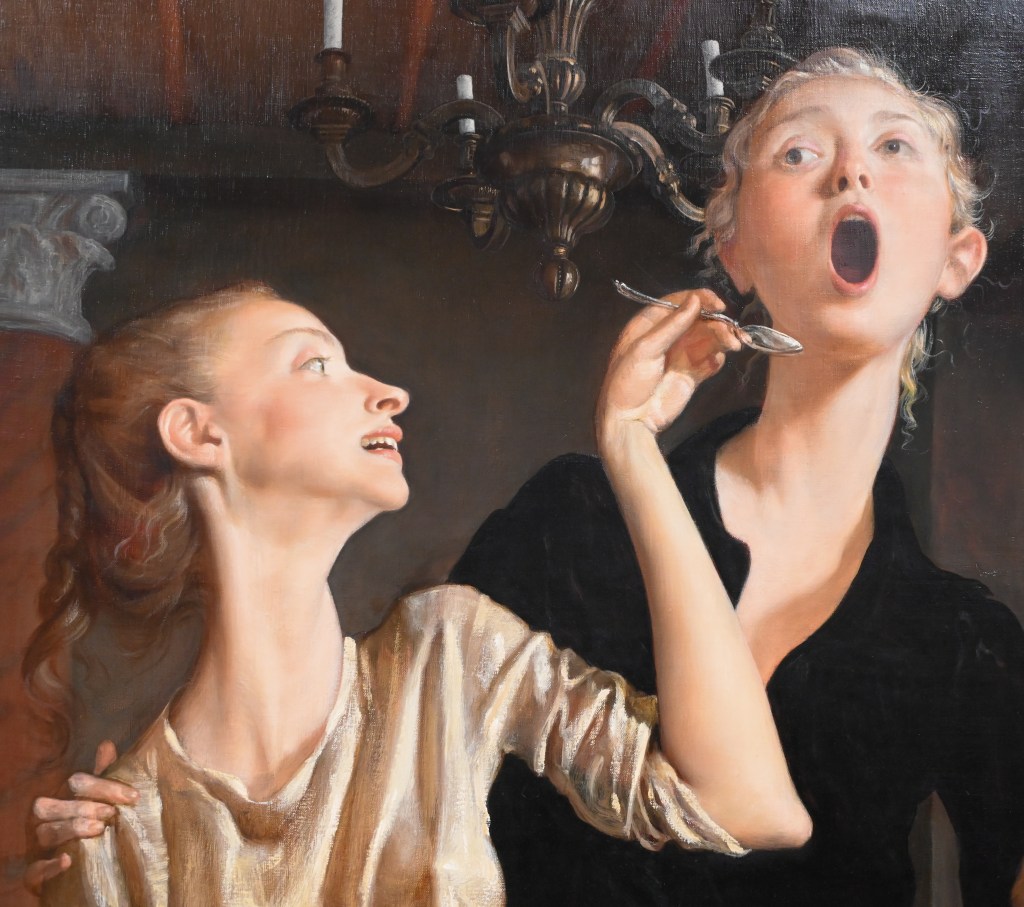
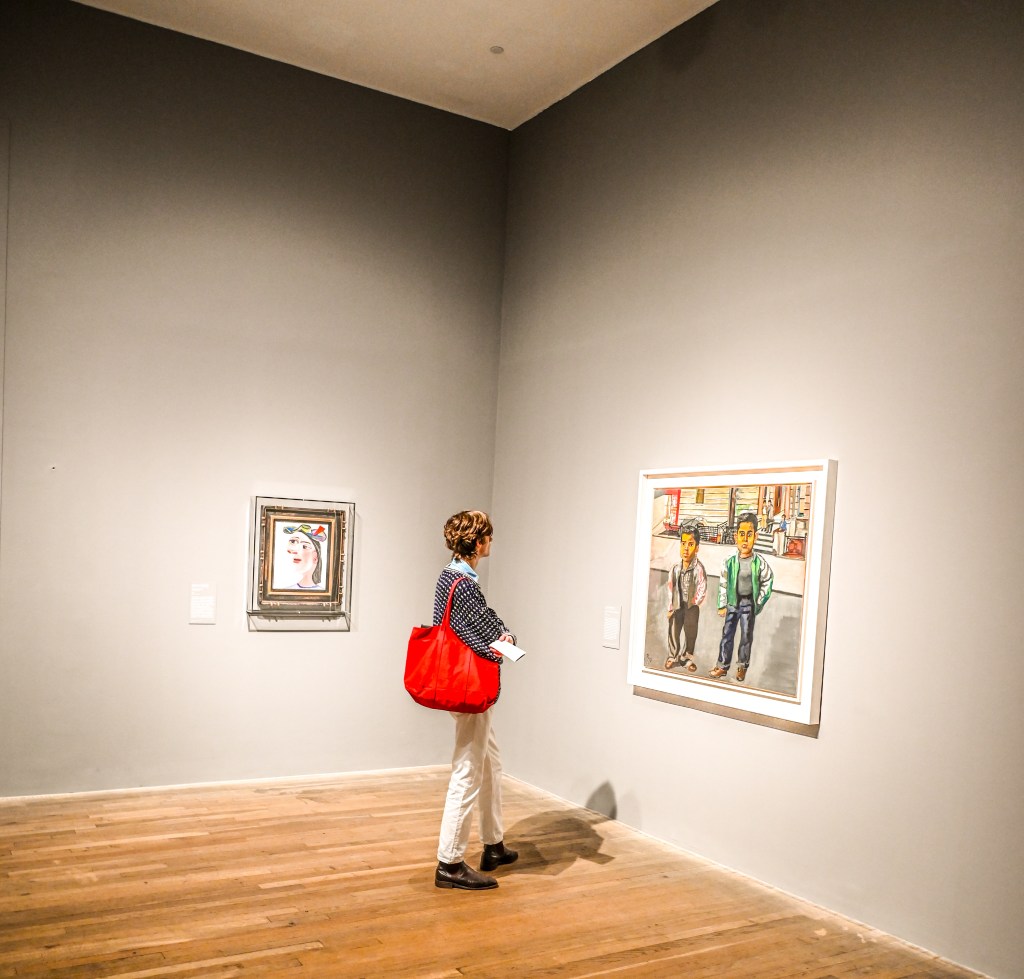
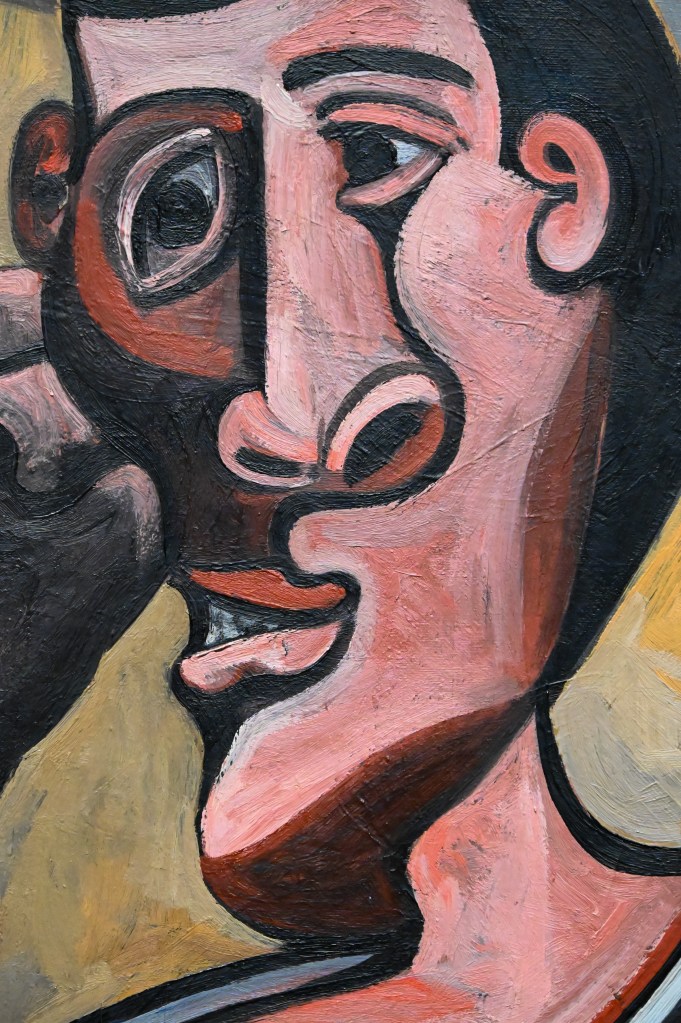
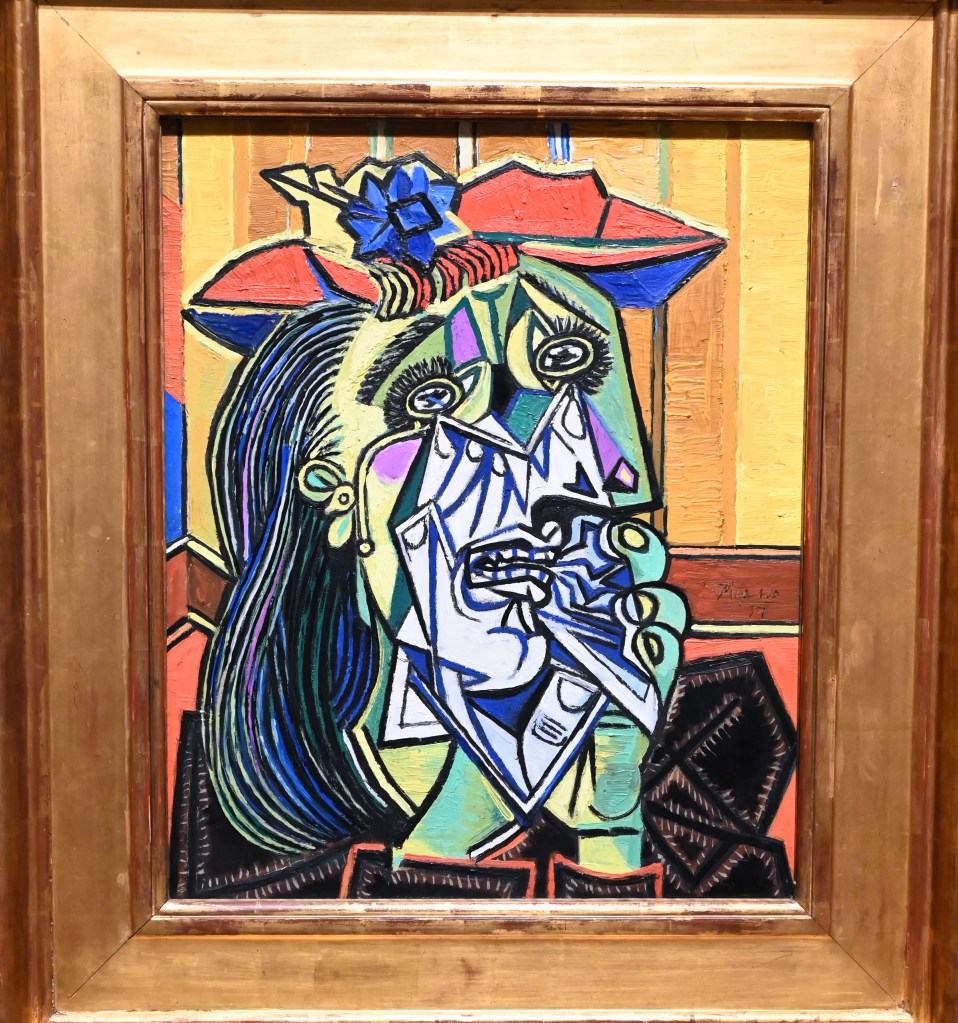
So there is a goodish exhibition on at Tate Modern at the moment which is about the relationship between painting and photography. Now there are some interesting lessons here for the modern day. In the 19th century a lot of people thought photography would be the death of painting, but of course all it did was to take painters down routes that photographers could not go and arguably it stimulated creativity and allowed the birth of new forms of artistic expression. At the same time photographers learnt a lot from painting in terms of composition, ways of seeing, and the relationship between the art form and society. What they learned to do was co-exist and develop in parallel. Is it possible that AI could similarly develop in areas that bring real benefits to society such as improved diagnosis and treatment of health conditions, safer transport, and better information flows whilst leaving humanity more time to create and explore what hit is to be human? Or is that a hope too far?
As to the exhibition itself there were canvasses from David Hockney, Paula Rego, Andy Warhol and Pablo Picasso as well as artists I had not come across before such as Jeff Wall, Hiroshi Sugimoto, Gerhard Richter, Pauline Bay and Andreas Gursky. Richter’s work was particularly impressive and there is an exhibition of his latest paintings at the David Zwirner gallery in London until March 28th.
As usual I’ve put a few selected pictures from the exhibition on the Eyecatching Words website, so do take a look. It is well worth a visit and is thought provoking. Incidentally, the following day I took a photograph of a red pepper sliced in half that looked just like Edvard Munch’s The Scream. You will also find that on the website as my personal contribution to the debate about the connection between art, photograph and er … vegetables.



And finally … Drawing a line
January 26th was a big day for me. I had my final payout and my final pay check from the NHS. This is the real thing. Scary but in a good way. Come September I will be a man of three pensions, none of them huge but overall more than adequate. According to the man who came to fix our dishwasher this week, there is a shortage of dishwasher repair men and gas engineers so I could retrain. But no. I am enjoying my freedoms too much.
There are lots of articles floating around about the waste that is associated with retired people. We’re an untapped resource, a drain on the system, the generation that had it all and is now sitting on its arse. Well excuse me but you need to sit where I’m sitting to appreciate what bollocks that is. Having “enjoyed” 45 years of work I would like to have some me time free – or at least freer – of stress, anxiety and bad health bought on by the aforementioned. If Putin does attack I will of course join the 21st Century equivalent of the Home Guard and walk around Woking with a carving knife stuck on the end of a broomstick. Or perhaps they will deploy me as a cyber warfare infantryman. Whatever makes General Sanders happy. On which topic the playout this week is Get Ready For This by 2 unlimited. Not sure what “this” is but get ready for it anyway. If nothing else it it’s a great piece of music to work out to.
Have a fab week and see you next time.
Get Ready For This
Closing remarks
The weekly eyecatching words podcast is assembled using Day One journaling software. Recording and production is done in Hindenburg Pro, and AI voices are by Revoicer. Sound effects are by Soundstripe. To see the written version of this podcast, and to view sound clips and additional material, go to www.eyecatchingwords.blog.

